I-290 / I-88 Express Bus Study


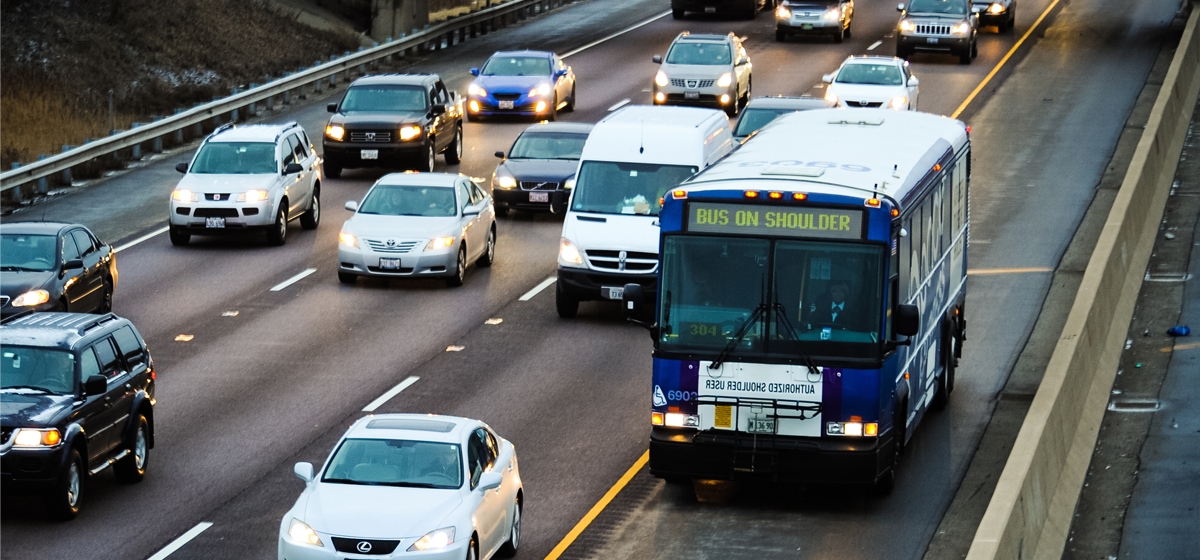
Study Provides New Express Bus Services
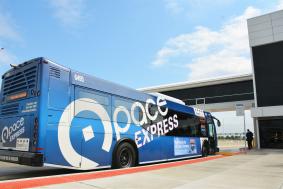
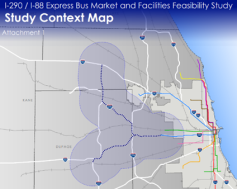
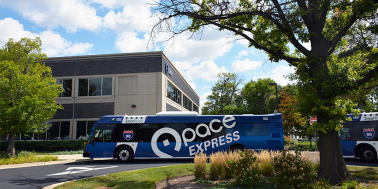
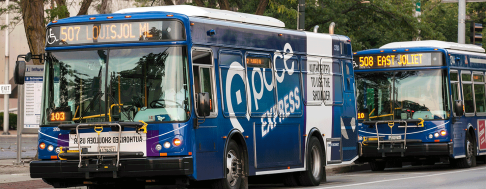
Pace Bus has completed an I-290/I-88 Express Bus Study to explore potential transit opportunities within a five-mile radius of the Interstate 290 Eisenhower Expressway corridor and the I-88 Ronald Reagan Memorial Tollway. This study evaluated potential expressway-based bus services, including bus-on-shoulder operations, connecting key destinations such as the CTA Forest Park Blue Line Transit Center, the Oak Brook Center/Cermak-Butterfield corridor, and the Schaumburg/Woodfield region.
This feasibility study assessed the potential for faster and more efficient transportation options for commuters traveling between various west suburban locations and Chicago. The study also explored the viability and demand for proposed I-290 and I-88 Pace Express service, which would offer limited-stop service, ensuring reduced travel times while maintaining key connections to major suburban hubs.
Designed to integrate seamlessly with Metra and CTA rail service, the proposed express service provides a reliable, affordable alternative to driving, particularly during peak commute hours. The feasibility study analyzed various factors, including ridership demand, travel patterns, and operational logistics, to determine the most effective design for an express bus service. The study sought to address growing demand for improved public transit options, enhancing accessibility and reducing congestion along the corridors. By providing an expedited service, the potential routes could significantly enhance mobility for residents, workers, and visitors who rely on public transportation for their daily commutes.
Community Input
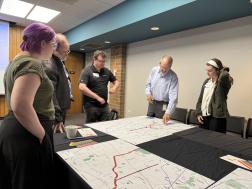
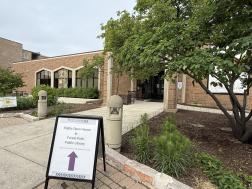
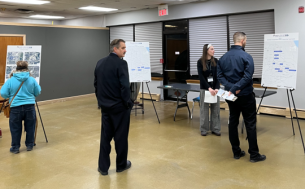
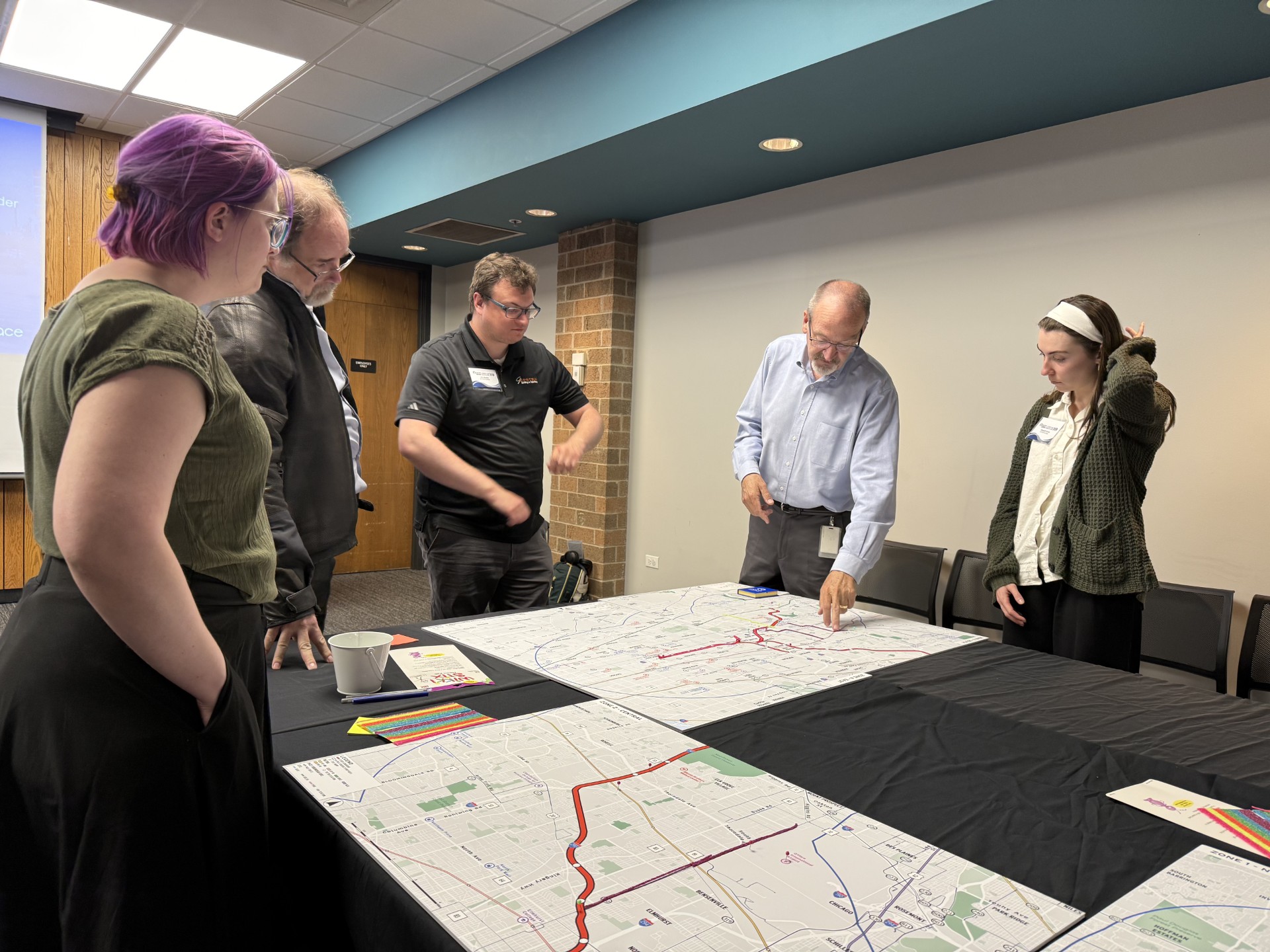
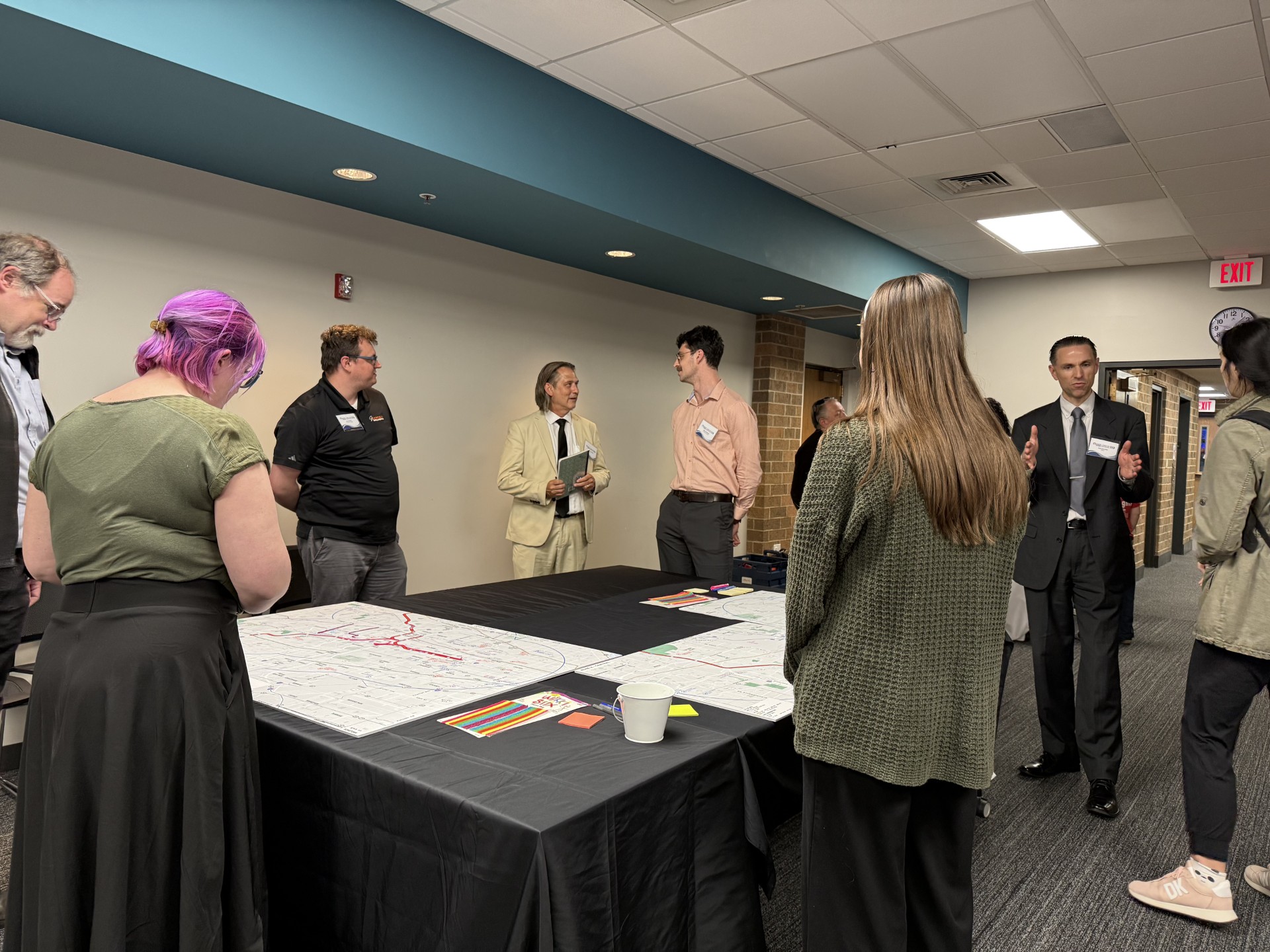
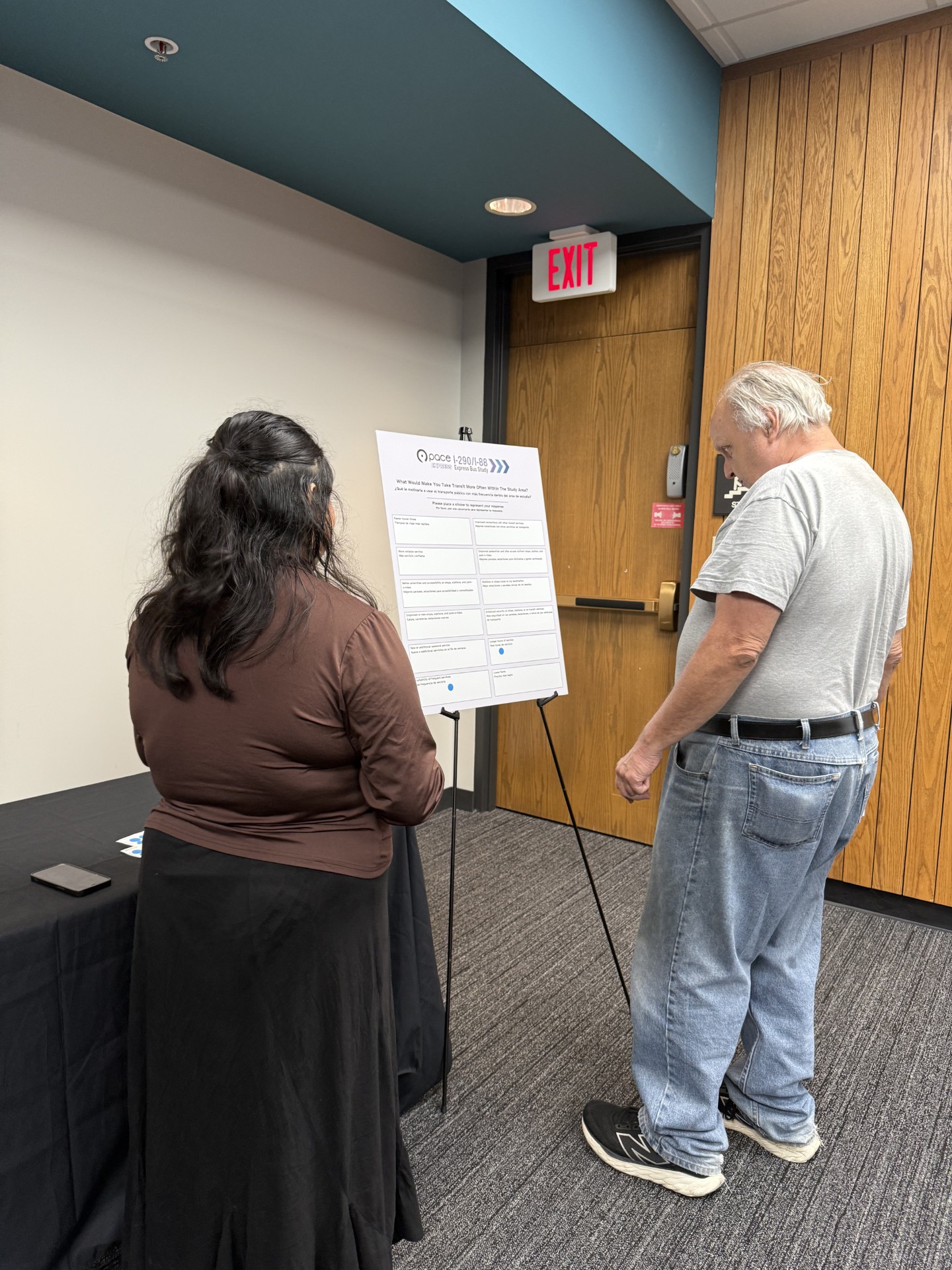
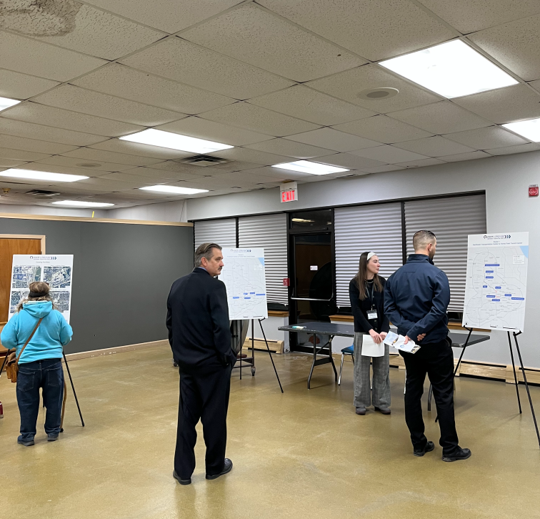
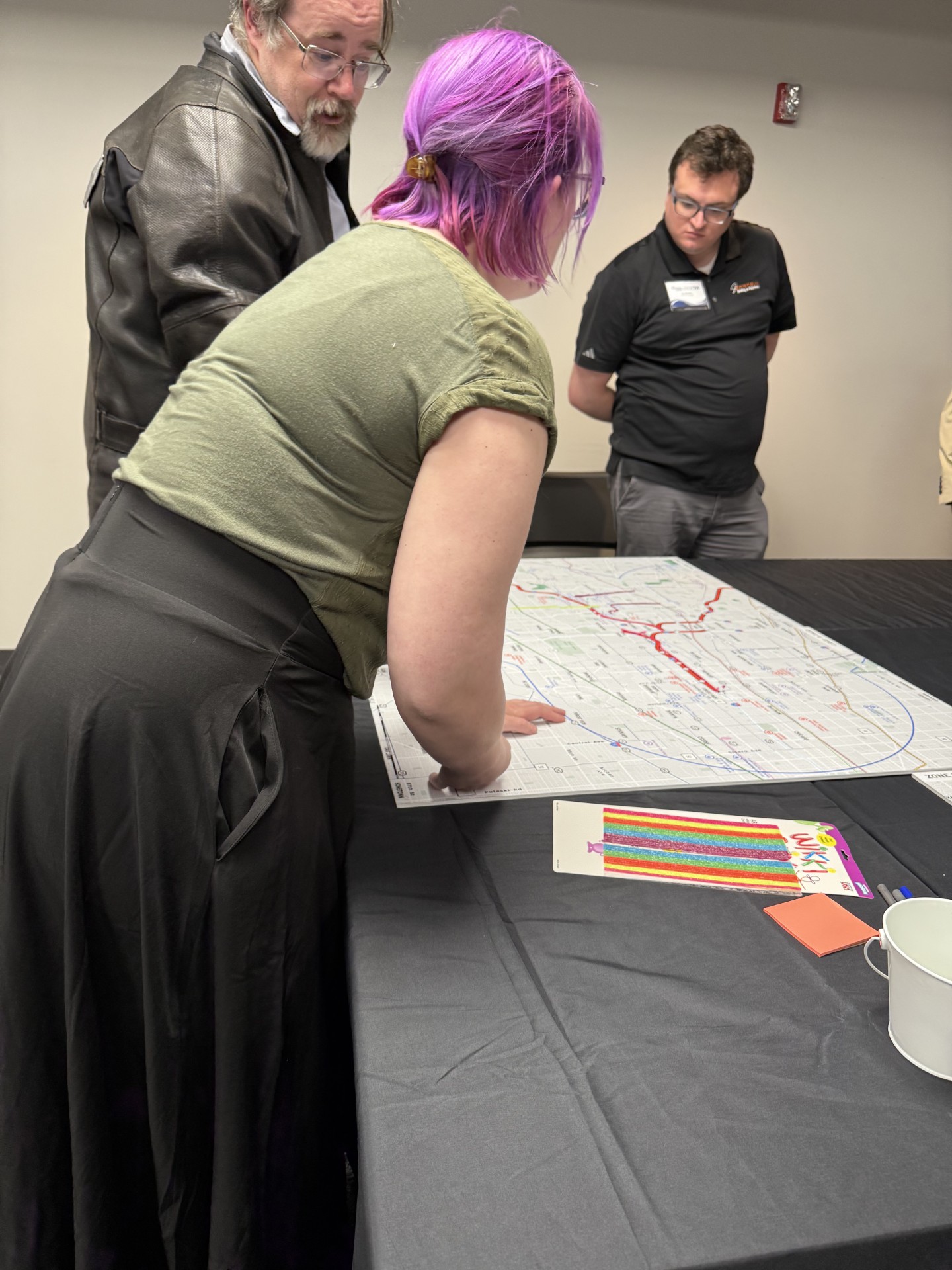
Community input played a vital role in finalizing the study’s findings.
Pace’s collaboration with local stakeholders ensured that service meets the needs of commuters.
Designed with equity in mind, the proposed routes aim to integrate with Metra, and CTA rail service, allowing riders to transition easily between different modes of public transportation. This improved connectivity is particularly beneficial for commuters traveling during peak hours, offering a reliable and efficient alternative to driving.
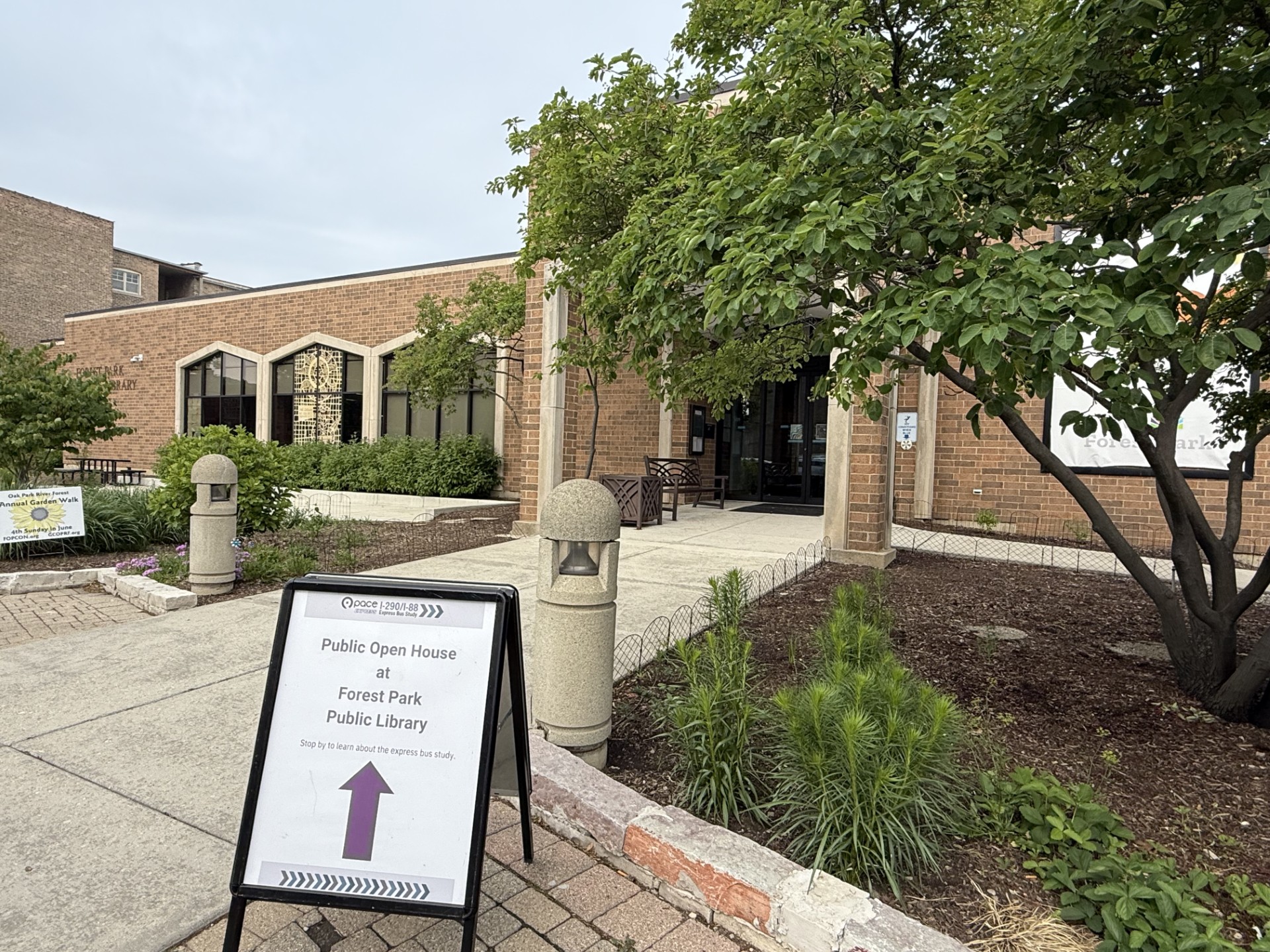
The feasibility study analyzed various factors, including ridership demand, travel patterns, and operational logistics to determine the most effective design for an express bus service. Community input played a vital role in shaping the study’s findings, and residents, workers, and stakeholders were encouraged to participate in public meetings and surveys to share their perspectives.
The study sought to address growing demand for improved public transit options, enhancing accessibility and reducing congestion along the corridor. By providing an expedited service, the potential routes could significantly enhance mobility for residents, workers, and visitors who rely on public transportation for their daily commutes.
Riders and community members are encouraged to stay informed about this important transit initiative. Service details, including findings from the feasibility study and potential next steps, will be shared on PACE’s website.
To learn more review the study's final plan:

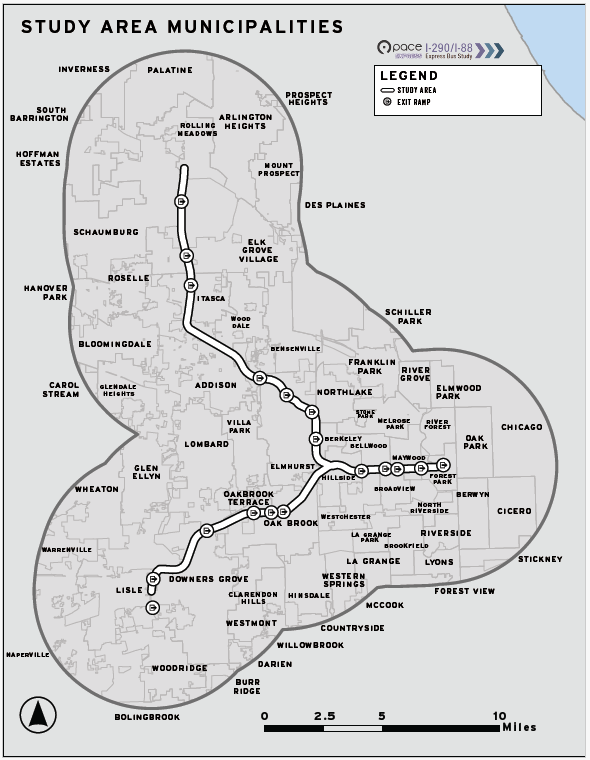
Photo Gallery